
A €15 top sounds like a good deal. But by the time it reaches you, someone — somewhere — has already paid the difference. Fast fashion isn't cheap. It just moves the cost somewhere less visible.
What Fast Fashion Actually Costs
The fashion industry is one of the largest polluters in the world. Producing a single cotton t-shirt uses roughly 2,700 litres of water. Synthetic fabrics shed microplastics with every wash. And the vast majority of fast fashion ends up in landfill within a year of purchase.
The human cost is just as significant. Low price points are only possible when the people making the garments are paid as little as possible, often in unsafe conditions with no job security. None of that shows up on the price tag.
The Maths of Buying Better
A handcrafted garment costs more upfront, but that price reflects what it actually took to make it: skilled labour, quality materials, and time. More importantly, it lasts.
A €140 dress worn across five summers costs €28 a year. A €25 dress replaced every season costs €100 a year, and four more garments end up in landfill. Buying less, but better, is almost always the more economical choice in the long run. And it's certainly the more honest one.
How We Do Things Differently
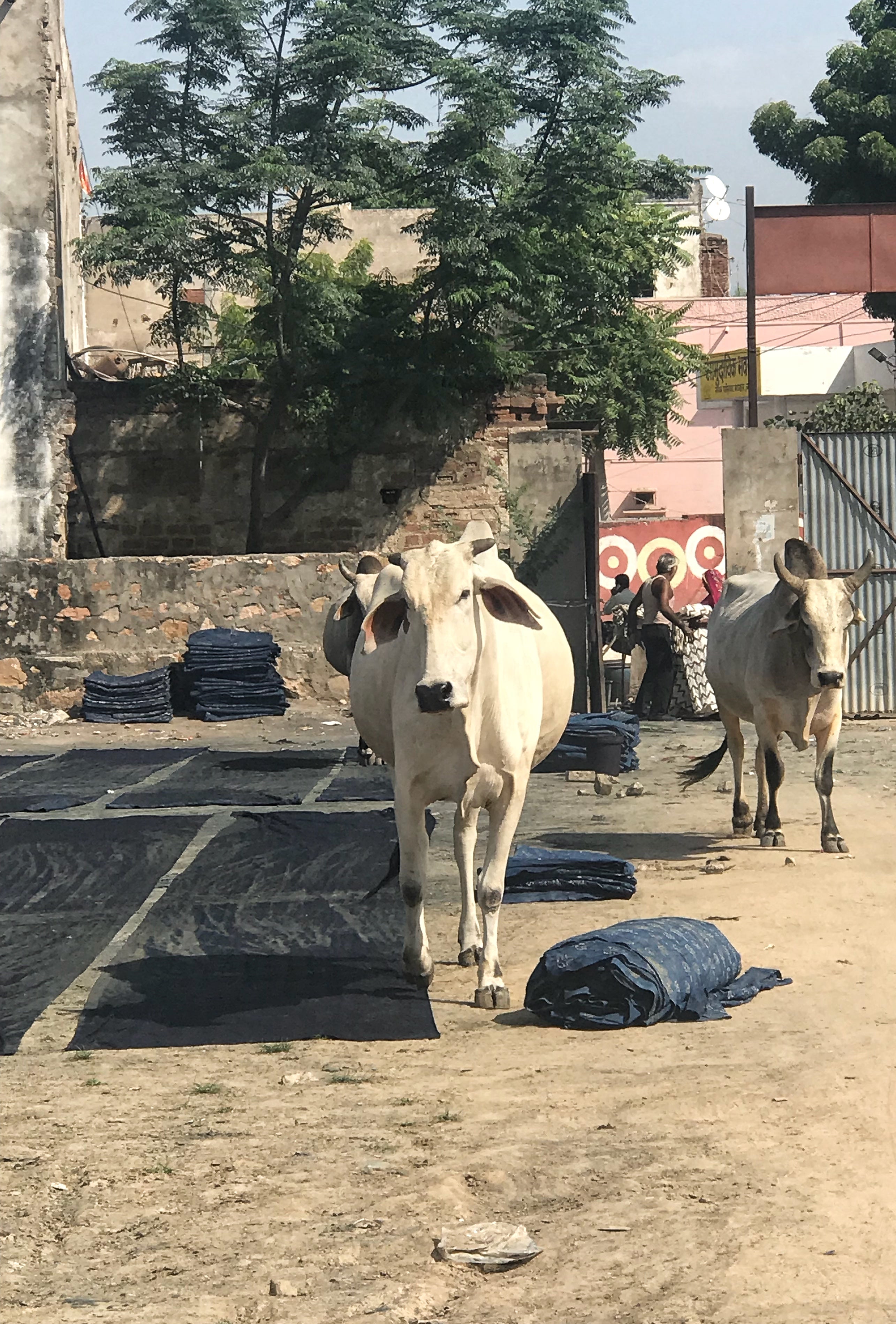
At Nest Factory, every piece is made in small batches with artisan communities we've worked alongside for years. We use natural and up-cycled fabrics, including vintage Kantha textiles that would otherwise go to waste. Nothing is produced speculatively in bulk.
We're transparent about how we work because we think that matters. If you'd like to know more, you can read about our production values on our About page.