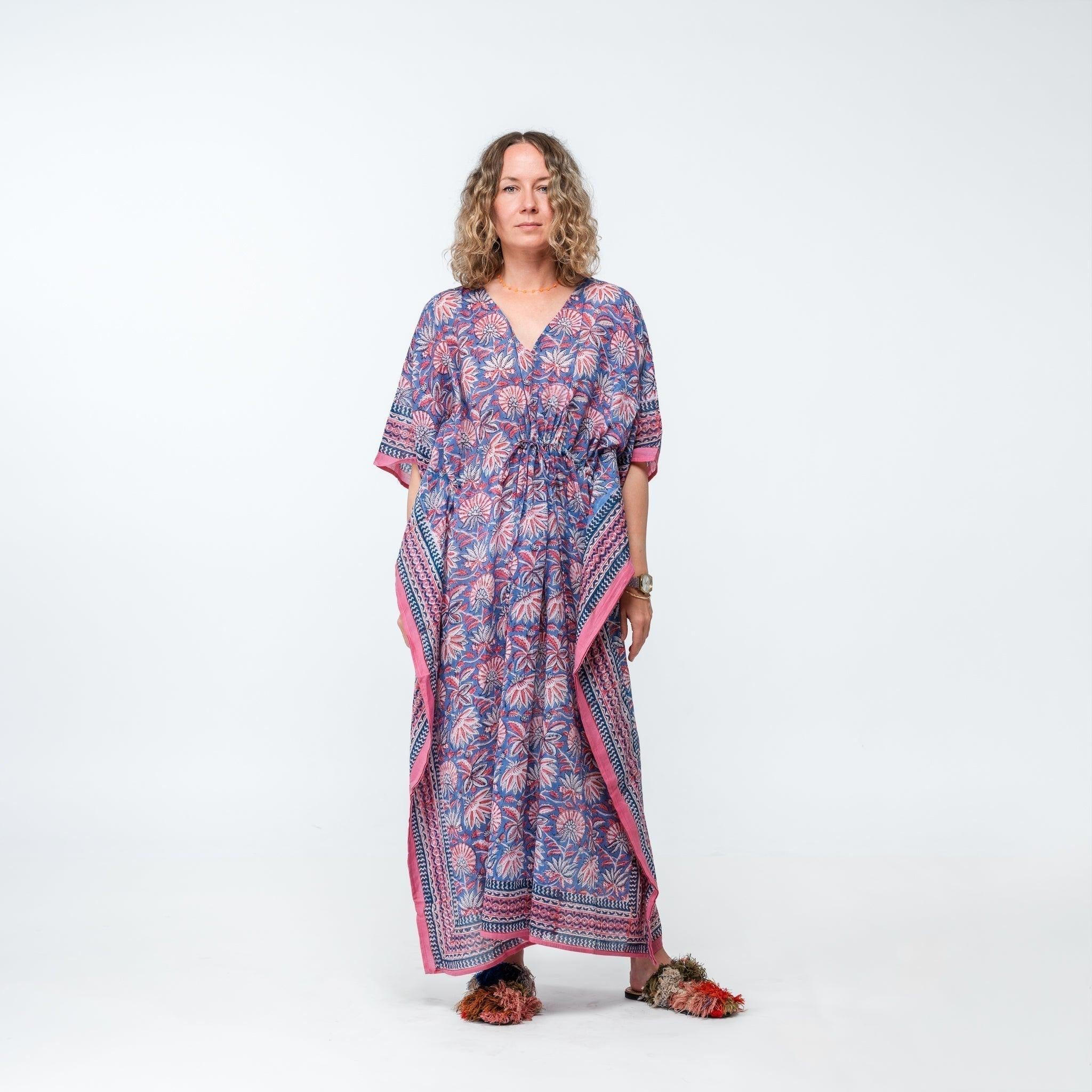

The fashion industry overproduces by an estimated 30-40% every year. That's not an accident. It's the business model. Make more than you can sell, discount the surplus, repeat. The environmental math doesn't work, and increasingly, the consumer math doesn't either.
Small-batch clothing is a different way of doing things.
What "Small-Batch" Actually Means
It means making a limited number of pieces; sometimes 20, sometimes 100, versus thousands, creating a production process that’s closer to actual demand, not ahead of speculative demand.
The effects ripple through everything: less fabric waste, less energy, and less unsold inventory dumped at the end of the season. And because the volumes are small, it's possible to be genuinely careful about materials, about the people making the pieces, and about quality. It has also pushed us creatively to design multi-purpose items that work with various shapes and are worn season after season for years to come.
Why Slow Fashion Brands Are Getting It Right
A slow fashion brand isn't just one that uses better materials. It's one that's thought through the whole picture: what's made, how much, by whom, and for how long it will last. Small-batch production sits at the centre of that. When you make less, you have to make it better. There's no volume to hide behind.
Customers who buy from small-batch brands know this. They're not buying a trend. They're buying a piece that was considered from start to finish and one that's likely to outlast anything they'd find at a high-volume retail chain.
Sustainable fashion isn't a luxury. Disposable fashion is. We've just been socialised to see it the other way around.
How We Work
At Nest Factory, every collection is made in small batches with artisan communities we've worked alongside for years. We use natural fabrics, handwoven textiles, and upcycled vintage materials. Fabric waste is saved for future use and incorporated into new products. Nothing goes into production without knowing where it's going.
Years ago, I was visiting an Ethiopian supplier. Addis was growing like crazy, and the streets were packed with makeshift homes/tents, trash, people- it was chaotic. I took a local flight to a neighboring city, and the low-flying plane showed neat, tidy farms one after another. It was quite a different picture! When I returned to Addis, I asked my supplier how the countryside was so clean compared to the city. Her response: With affluence comes waste- the farmers needed to reuse everything available to them- there was nothing left to toss.
That thought has stuck with me all these years later.
If you'd like to know more about how we source and produce, you can read about it on our About page.